- Admin
- No Comments
- PUBIC
Holi Kyun Manayi Jati Hai?
Why is Holi celebrated?
Holi is an important cultural, religious, and traditional festival in Hinduism. In Sanatan Dharma, the full moon of every month holds special significance, and this day is celebrated with some form of celebration. According to this tradition, Holi is celebrated on the full moon day of the month of Phalgun as a celebration of spring.
Why is Holi celebrated?
The Braj region, which includes Mathura, Vrindavan, and other holy sites, is immersed in the joy and devotion of Holi. The most famous events here include the flower-based Holi of Vrindavan and the Lathmar Holi of Barsana, both known for their unique traditions. The celebrations last for two days, beginning with the burning of Holika. This ritual symbolizes the end of evil and the victory of good. In many places, Holi is also known as "Dhulendi."
One of India's grandest festivals, Holi is filled with colors, excitement, and enthusiasm. It heralds the arrival of spring and promotes the spirit of love and brotherhood in society. Every year, this festival is celebrated as a symbol of the victory of good over evil. It primarily falls on the full moon day of the month of Phalgun, which falls in early March. Although it is an ancient Hindu festival, its popularity has spread throughout the world today.
The Story Behind the Celebration of Holi
The Story of Prahlad and Holika
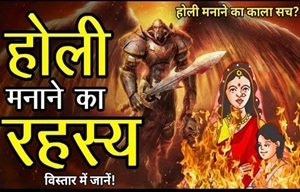
The main reason for Holi is linked to the story of devotee Prahlad and Holika. Hiranyakashipu, an arrogant demon king, did not want his son Prahlad to worship Lord Vishnu. He made several attempts to kill Prahlad. Finally, he asked his sister Holika to put Prahlad in a fire, as Holika had a boon that she would not be burned by fire. However, by God's grace, Prahlad remained safe and Holika burned to ashes. Holika Dahan is performed to commemorate this event, which gives the message that good always triumphs and evil vanishes.
Radha-Krishna Holi
In Mathura and Vrindavan, Holi is celebrated as a festival of love between Lord Krishna and Radha. It is believed that Shri Krishna used to play with colors with his beloved Radha and the Gopis. This is when the tradition of playing Holi with colors began. The Lathmar Holi celebrated in Barsana and Nandgaon is inspired by this story, where women beat men with sticks with love and playfulness.
Welcoming Spring
The festival of Holi also marks the arrival of spring. Greenery spreads everywhere, yellow mustard flowers bloom in the fields, and the weather becomes pleasant. This is the time for the new harvest, so farmers also celebrate this festival with joy. The colorful atmosphere of Holi provides an opportunity to enjoy this change.
Holi Rituals and Traditions
Holi is not just a festival of joy and colors, but a two-day celebration filled with traditions and rituals. Let's learn about the special rituals that make Holi even more special.
Holika Dahan (Fire Worship)
Holika Dahan is performed on the evening before Holi. This ritual involves lighting a bonfire using wood and cow dung cakes, symbolizing the victory of good over evil. People gather around the fire, sing hymns, and offer prayers. This year, Holika Dahan will be held on March 13th.
Rangon Wali Holi (Day of Playing Colors)
On the main day of Holi, people play with colors. Children, adults, and the elderly apply gulal (colourful powder) to each other and shower them with colorful water. With water guns, balloons, and laughter, the day is filled with joy. This year, the color festival will be held on March 14th.
Significance of Holi
Holi is not just a festival of colors; it also symbolizes love, brotherhood, and the victory of good over evil. This festival has social, religious, and cultural significance, making it even more special.
Religious Significance
The greatest significance of Holi is associated with the story of Prahlad and Holika. This festival teaches us that true devotion and goodness always triumph, while arrogance and injustice are destined for doom. The burning of Holika reflects this message.
Social Significance
The festival of Holi promotes love and harmony among people. On this day, friends and family forget all grudges and embrace each other and play with colors. It also serves as a means of promoting brotherhood and harmony in society.
Cultural Significance
Holi is celebrated in different ways in many parts of India. Radha-Krishna Holi is celebrated in Mathura and Vrindavan, Lathmar Holi in Barsana, and Phool Holi in Vrindavan. This festival connects us with our cultural heritage.